

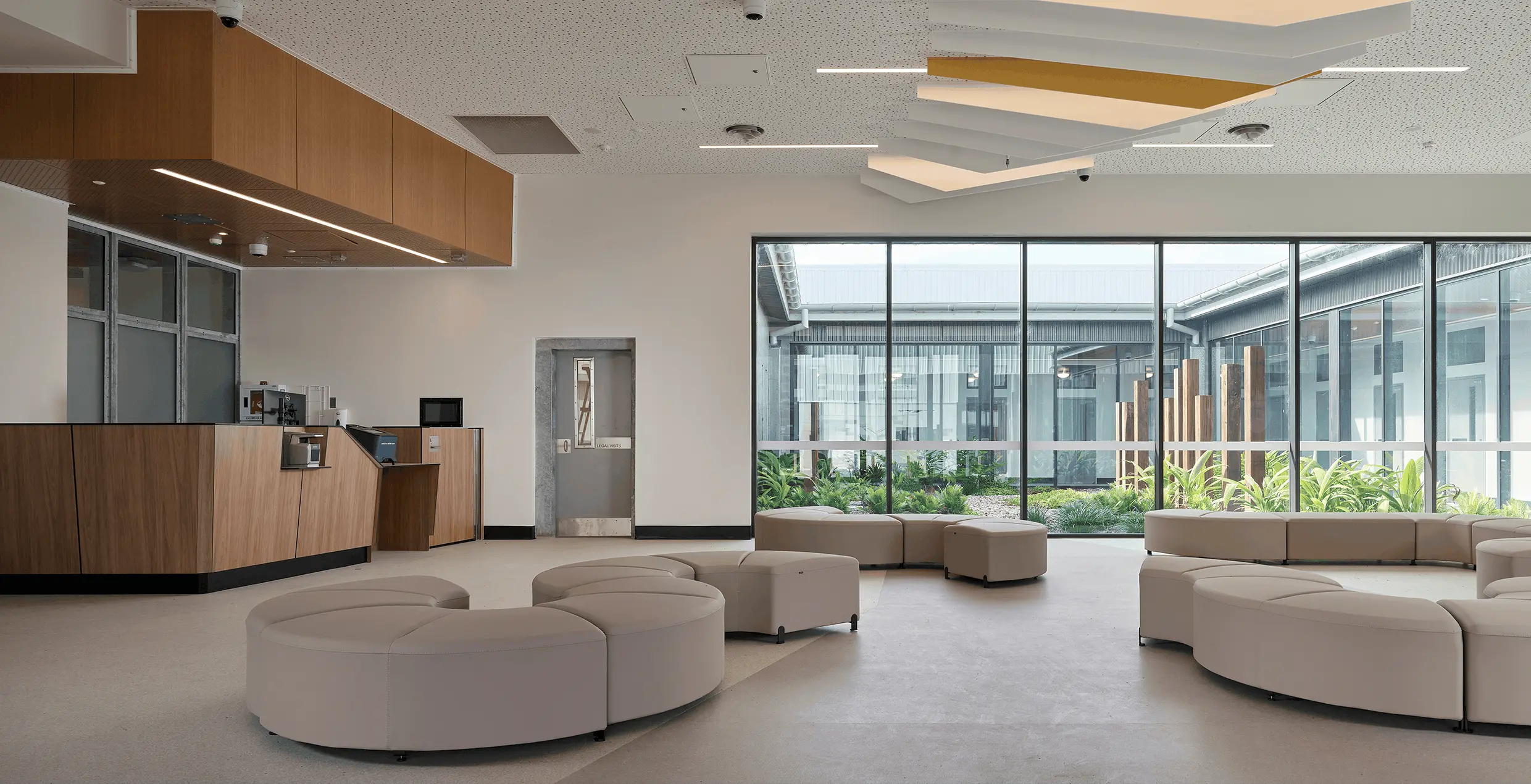
For much of the past century, correctional facilities have been conceived primarily as places of containment. Yet a contemporary remand prison has a much broader responsibility.
It is a place of reception, assessment, healthcare, stabilisation, legal access, family connection and transition. People may arrive unexpectedly, often at one of the most uncertain moments of their lives, and remain for days, months or considerably longer. Many enter custody with existing physical or mental health conditions, substance dependence, trauma, disability, disrupted family relationships or limited connection to support services.
This changes the design question.
Rather than beginning with cells, fences and movement, what if we began with the person arriving at the front door?
How can the first experience of custody stabilise rather than further destabilise someone, maintain the connections that matter and create a pathway toward better health and social outcomes?
For remand prisons, that may be the more important measure of contemporary design.
Design the journey before designing the building
Perhaps the most important design decision occurs before a line is drawn.
The operating model should become the design brief.
This means understanding the journey through reception, health assessment, stabilisation, family contact, legal access, cultural connection and progression through the justice system before determining the physical form of the facility.
The first 48 to 72 hours are particularly important. People may be experiencing withdrawal, mental health distress, separation from family or uncertainty about what happens next. Staff are simultaneously trying to establish health needs, vulnerabilities and immediate support requirements, often with incomplete information.
Designing around this period changes priorities.
Healthcare and wellbeing services move closer to the centre of the facility’s operation. Reception becomes more than an administrative threshold. It becomes a point of assessment and connection. Spaces for family contact, cultural support, counselling and clinical intervention become integral rather than ancillary.
A remand prison should be designed from the point of greatest vulnerability outward, rather than from the accommodation unit inward.
Think of remand as a stabilisation environment
Remand can represent an abrupt interruption to almost every aspect of a person’s life.
Housing, employment, healthcare, medication, family relationships and community support can all be disrupted simultaneously. For people already living with disadvantage or complex health conditions, that disruption can compound existing problems.
This suggests a different way of thinking about the purpose of the remand environment.
One of its first objectives should be stabilisation.
Healthcare is central to this. Timely physical and mental health assessment, continuity of medications, withdrawal management, suicide and self-harm prevention, counselling and access to specialist services all require environments that allow healthcare to be delivered safely and with appropriate dignity and privacy.
But stabilisation extends beyond clinical care.
Knowing what will happen next matters. Being able to contact family matters. Access to daylight, outdoor space and a reasonable night’s sleep matters. Understanding daily routines matters. Having somewhere appropriate to speak privately with a health professional, lawyer, cultural adviser or support worker matters.
Trauma-informed design is therefore not an aesthetic choice. It is about eliminating unnecessary environmental stressors and creating predictability at a time when much of a person’s life may feel unpredictable.
Connection should be treated as essential infrastructure
Prisons physically separate people from communities, but they should not unnecessarily sever the relationships that can help people return successfully to those communities.
Family relationships can be particularly important during remand. Separation from children, partners and extended family may become an additional source of anxiety at precisely the time when strong social support is most important.
For people whose families live significant distances away, the challenge is greater again.
This changes how we should think about visitation.
Family contact should not be regarded as a secondary amenity added after the operational plan has been resolved. Physical visitation, secure digital communication and other forms of connection should be embedded within the service model and supported by the architecture.
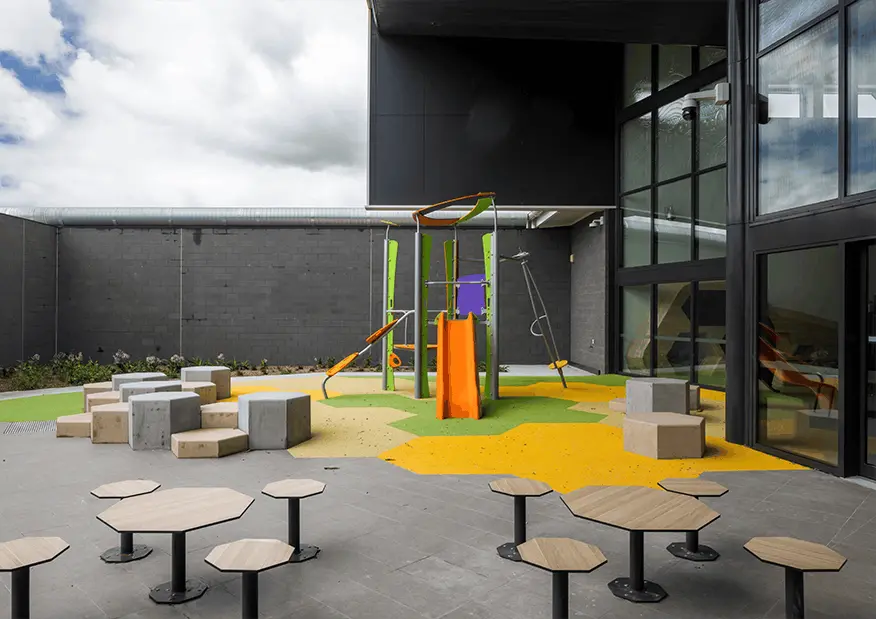
The quality of these environments matters too. A technically functional visit space can still make meaningful family interaction difficult. The experience of children, in particular, deserves careful consideration.
Connection is ultimately part of continuity. If the objective is for people to return to the community more stable than when they entered custody, maintaining constructive relationships during remand is not peripheral to that ambition. It is fundamental to it.
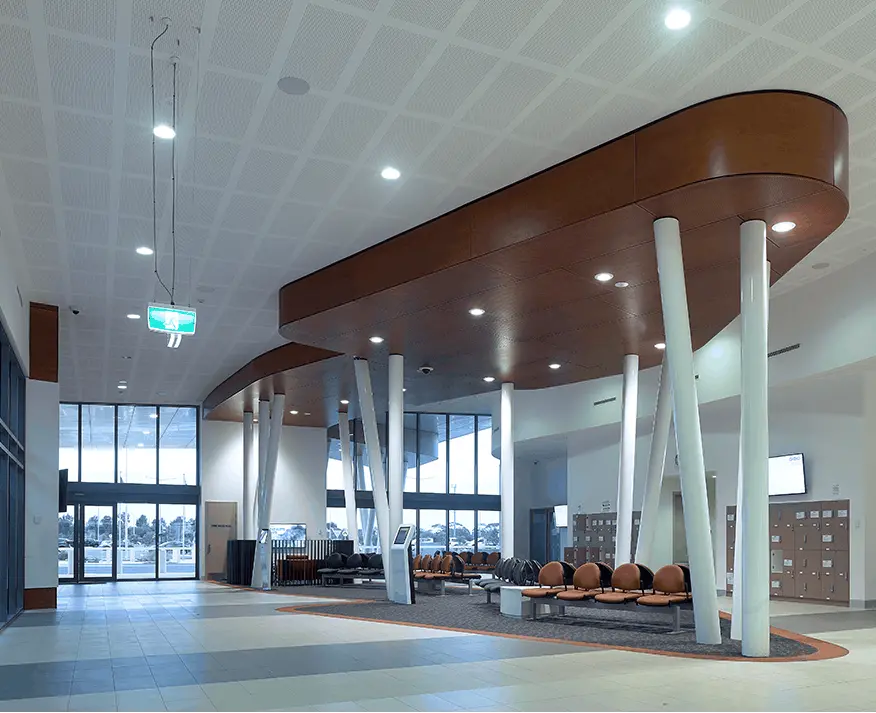
Culture cannot be added at the end
The same principle applies to culture.
People do not leave their identity at the prison gate. They arrive with languages, histories, relationships, beliefs and connections to family, community and place.
A culturally responsive correctional environment therefore requires more than artwork or symbolic gestures.
Culture should have the opportunity to influence how spaces are organised, how people gather, how family visits occur, how landscapes are experienced and how cultural advisers, Elders and community organisations engage with people in custody.
This is particularly important where people may be detained a significant distance from family, community and country.
Cultural safety should consequently be considered alongside healthcare and wellbeing as a foundation of stabilisation.
There is also an important connection between culture and health. Understanding an individual’s cultural context can influence communication, people’s willingness to engage with services and how wellbeing and recovery are understood.
Designing for cultural connection is therefore not a separate design stream. It should form part of an integrated approach to health, identity and continuity of care.
Remand still needs purpose
The uncertain duration of remand creates another challenge.
Programs associated with sentenced custody are often designed around known periods of incarceration. Remand requires a different model.
Interventions need to deliver value whether someone remains in custody for a week or for a year.
This suggests greater emphasis on accessible healthcare, education, cultural engagement, recreation, life skills, family relationships and connection to community-based services. The objective should be to create opportunities that can commence early rather than waiting for someone’s legal status to become clearer.
Architecture needs to enable that flexibility.
Spaces should accommodate different modes of healthcare, learning, counselling, cultural engagement and service delivery. Their success should be judged less by how specialised they appear and more by how effectively they can respond to changing needs.
Rehabilitation within remand may therefore begin with something more fundamental than a formal program: stabilise, reconnect and create the possibility of progress.
Design for transition, not institutional dependence
Every person entering remand will eventually leave it.
Some may return quickly to family and community. Others may transition into sentenced custody. Either way, the facility is a temporary point within a much longer personal and justice journey.
That should influence design.
Health information needs continuity. Relationships with service providers need continuity. Medication and treatment need continuity. Family and cultural connections need continuity.
The boundary between prison and community is therefore particularly important.
A more progressive model would consider from the outset how healthcare, housing, social services, cultural organisations and community providers can connect with people before release. Spaces and systems should support those relationships rather than forcing them to begin again when somebody passes through the gate.
This is where correctional design can make an important contribution without overstating its influence.
Architecture cannot resolve the underlying causes of incarceration. But it can help prevent custody itself from becoming another point of fragmentation.
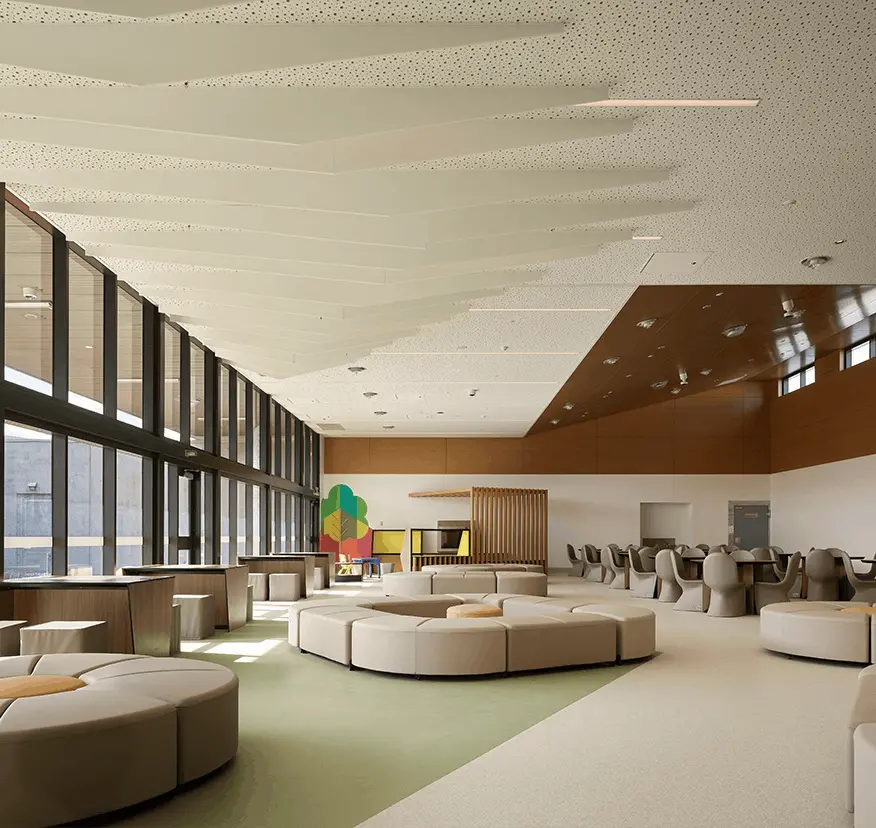
A different measure of success
Perhaps the most important change is how we measure the success of a remand prison.
Traditional measures of capacity, compliance and operational performance remain necessary. But they tell only part of the story.
We should also ask different questions.
- How quickly can a person access healthcare after arrival?
- How effectively are people experiencing acute mental health or withdrawal issues stabilised?
- Can family relationships be maintained during custody?
- Can people remain connected to culture and community?
- Can health and support services established during remand continue after release?
- Are staff working in environments that enable meaningful engagement rather than simply managing movement and process?
Research increasingly supports the proposition that the environment in which custody occurs matters. Engstrom and van Ginneken’s concept of “ethical prison architecture” connects environmental conditions with humane treatment, autonomy and wellbeing. Yvonne Jewkes similarly writes of “healthy prisons and the architecture of hope”, challenging the assumption that correctional architecture must inevitably be austere to be effective.
Architecture alone cannot produce better justice outcomes. It cannot replace good healthcare, strong cultural leadership, skilled staff or properly resourced community services.
But it can create the conditions in which all of those things work better.
For remand prisons, that distinction matters enormously.
Perhaps the most important shift is to stop thinking of remand as somewhere people wait. Instead, we can think of it as a point of intervention: an opportunity to stabilise health, preserve family and cultural connections, restore access to services and create continuity between custody and community.
If we begin there, the architecture that follows may look very different.
Selected academic references
Engstrom, K. V. & van Ginneken, E. F. J. C. (2022). “Ethical Prison Architecture: A Systematic Literature Review of Prison Design Features Related to Wellbeing.” Space and Culture, 25(3), 479–503.
Jewkes, Y. (2018). “Just Design: Healthy Prisons and the Architecture of Hope.” Australian & New Zealand Journal of Criminology, 51(3), 319–338.
Moran, D., Jones, P. I., Jordaan, J. A. & Porter, A. E. (2021). “Does Nature Contact in Prison Improve Well-Being?” Annals of the American Association of Geographers, 111(6), 1779–1795.
Wener, R. E. (2012). The Environmental Psychology of Prisons and Jails: Creating Humane Spaces in Secure Settings. Cambridge University Press.
About the author
Craig Blewitt is an Associate Director and National Correctional Lead at Guymer Bailey, specialising in correctional architecture and rehabilitation-focused design. He advocates for co-designed, operationally informed environments that support rehabilitation, health and wellbeing, while creating safer, more effective workplaces for staff and helping people in custody prepare for successful reintegration into the community.
UP NEXT
