

In conversations about the future of correctional environments, attention often gravitates towards large scale reform: new facilities, major capital works, whole of system change. These conversations are important, but they can also obscure a quieter truth.
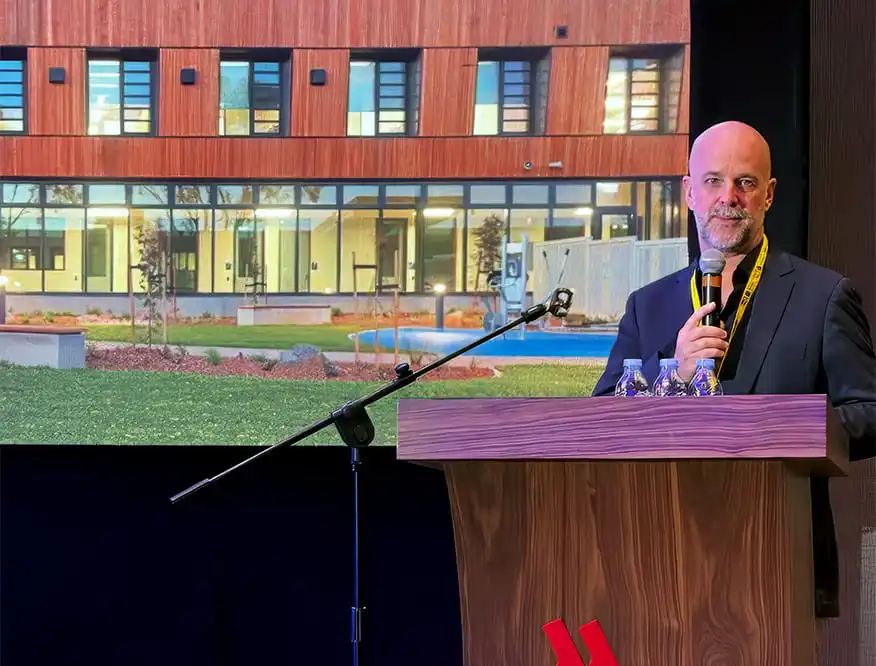
Real change does not always start with big moves. Often, it starts with the small, deliberate design decisions that shape daily experience. This was the central premise of “The 1% Things: Why Small Design Decisions Matter More Than We Think”, presented by Director, Kavan Applegate and co-authored by Associate Director Craig Blewitt, at the Prison Design and Technology Conference (PDTC) 2026 in Rabat, Morocco.
The session resonated strongly not because it promised sweeping transformation, but because it focused on what is practical, achievable, and immediately impactful within the realities of existing correctional systems and limited budgets.
Working Within Reality — Not in Spite of It
Correctional environments everywhere face similar constraints:
- Facilities that are aging
- Limited capital funding
- Operational and security requirements that reduce flexibility
At the same time, there are constants that should not be overlooked:
- Staff who are committed and motivated
- People in custody who want environments that support dignity and wellbeing, and inspire hope
The 1% Things began by acknowledging this reality honestly, without judgement and without optimism bias, and asked a grounded question:
How can we bring existing spaces to life, with limited funds, in ways that genuinely improve daily experience?
Rather than positioning design as an aspirational ideal, the presentation framed it as a practical tool, one that can be applied incrementally, intelligently and at scale.
What Are The 1% Things?
The 1% Things is not a formula or a checklist. It is a mindset. It refers to small design interventions withing correctional facility design — often overlooked, sometimes undervalued — that can significantly influence how people experience a place. Across correctional settings, these moments are everywhere: arrival, waiting, interaction, rest, movement, connection.
Drawing on examples from Australia, Europe, the UK, and the US, and with contributions from peers across architecture, academia and corrections practice, the presentation explored how small decisions can meaningfully change outcomes across key environments.
Improving the Correctional Centre Visitor Experience
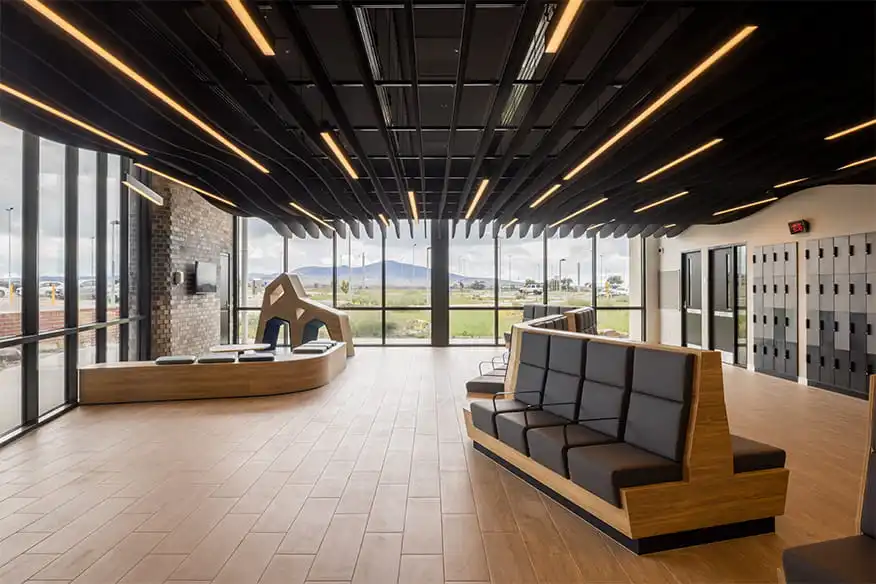
Visitor spaces are often the first and most emotionally charged point of contact with a correctional facility. Yet they are frequently treated as purely procedural.
The presentation demonstrated how modest interventions can improve dignity and accessibility without undermining security, including:
- More welcoming and legible reception spaces
- Discreet storage and clear wayfinding
- Waiting areas suited to climate and family needs
- Child friendly visual cues that reduce anxiety
Each change is minor in isolation. But together, they reshape the experience from one of stress and confusion to one of clarity, respect and support for visitors, staff and people in custody alike.
Designing Staff Areas as Active Environments
Another recurring theme was the role of staff spaces, not simply as back of house environments, but as places that influence behaviour, wellbeing and safety.
Small interventions discussed included:
- Open counters and visible staff posts
- Shared amenities that support informal interaction
- Purposeful areas of respite with acoustic and physical separation
- Spaces that support training, learning and professional development
The message was clear: design decisions send signals about trust, interaction, and how people are expected to engage with one another.
Normalisation Through Everyday Choices
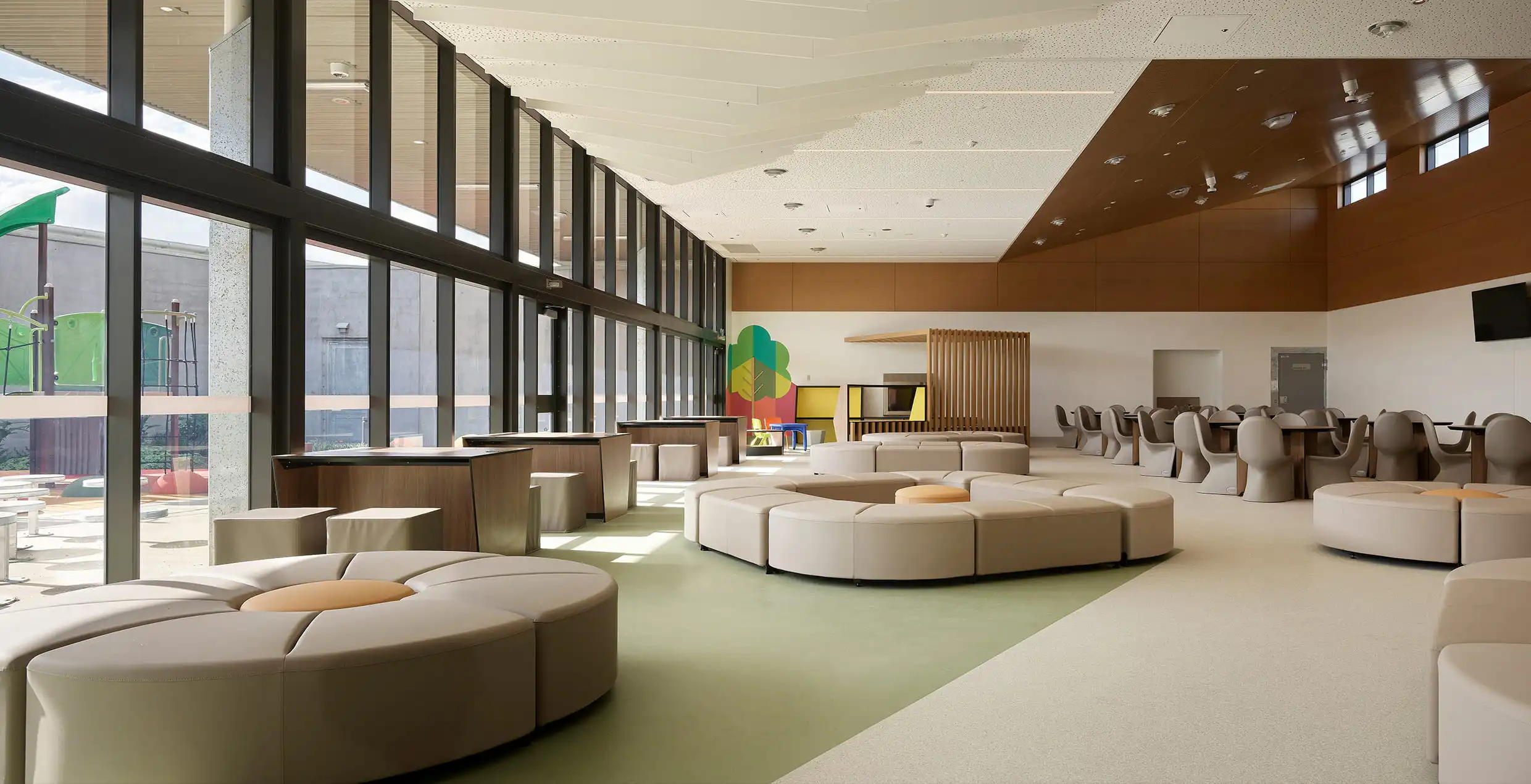
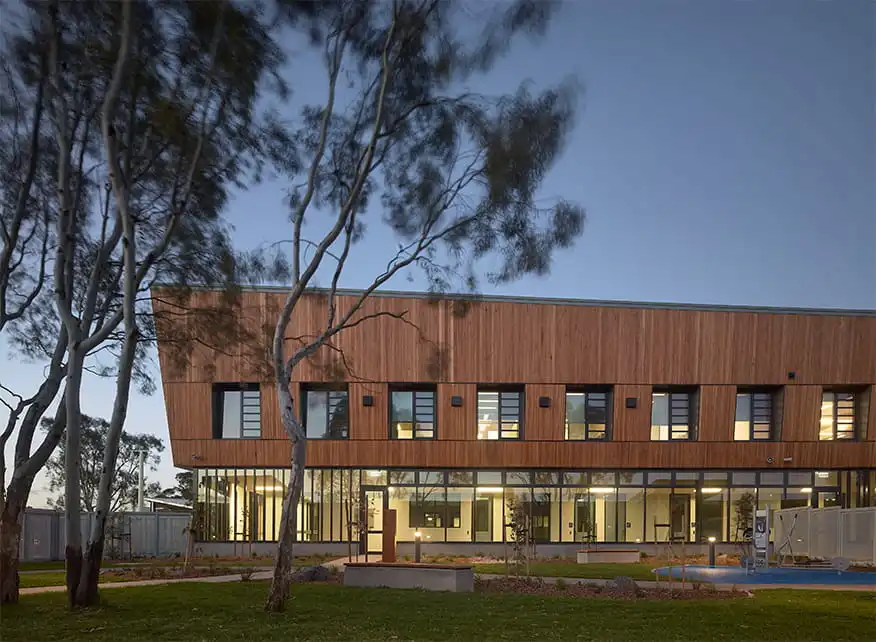
Within prisoner environments, The 1% Things approach focused on autonomy, amenity and normalisation, not through large structural change, but through everyday elements that are already present:
- Opportunities for self catering, movement and choice
- Furniture selection and layout
- Use of colour and artwork
- Acoustic treatment to reduce noise and stress
A key takeaway was that better choices do not necessarily cost more, but they do require intent, consistency and an understanding of evidence.
Why Evidence-Based Design Matters in Corrections
Several examples reinforced the importance of applying research carefully, particularly in areas such as colour psychology and environmental stress. Well intentioned design decisions, when detached from evidence, can produce unintended outcomes.
The presentation underscored a simple but powerful principle:
Intent is important. Evidence is essential.
Small interventions carry real influence, which makes thoughtful, informed decision making even more critical.
From Conference Insight to Everyday Practice
Presented within the broader context of the 2026 Prison Design and Technology Conference (PDTC), a conference focused on humane and resilient futures, The 1% Things offered a grounded counterbalance to big picture ambition.
As correctional environments become more complex, more technological, and more constrained, the question is not only what we design, but how deliberately we approach the smallest decisions.
Because those are the decisions that:
- Shape daily interactions
- Influence behaviour and wellbeing
- Signal dignity, care and intent
And, when repeated consistently, they accumulate into meaningful change.
The Power of The 1% Design Mindset
The strongest insight from The 1% Things was not architectural, it was cultural.
Progress relies on:
- Leadership at every level
- Supporting people with vision and removing unnecessary barriers
- Questioning default objections framed as “security issues”
- Sharing positive stories widely and often
In other words, real change begins when organisations default to asking: “How do we make this work?”
Small changes. Thoughtfully applied.
Real impact — starting now.
This conversation does not end here. Feedback from PDTC reinforced that many of The 1% Things sit within daily operations as much as design, small decisions that do not always require architects, but do require shared intent and ownership.
We see this as an ongoing discussion and look forward to continuing the conversation with peers across design, corrections and operations at upcoming ICPA forums, and via the ICPA Planning and Design Network.
ACKNOWELDGEMENTS
We would like to take the opportunity to acknowledge the following people for their input into the presentation “The 1% Things: Why Small Design Decisions Matter More Than We Think”. Thank you to:
- Grieve Gillett Architects – Sarah Paddick
- Alex Poulson Architects – Sonia Bom
- CoreCivic – Andrew Dye
- Danish Prison & Probation Service – Jesper Dyreborg & Isabella Kleivan
- University of Birmingham – Dominique Moran
- Additional context from Allison Liebling, Cesar Concio, Martin Perfecto, Alex Newman, Vergonica Ciricgliano
- Charlie Kinross Photography
- Scott Burrows Photography
UP NEXT
