

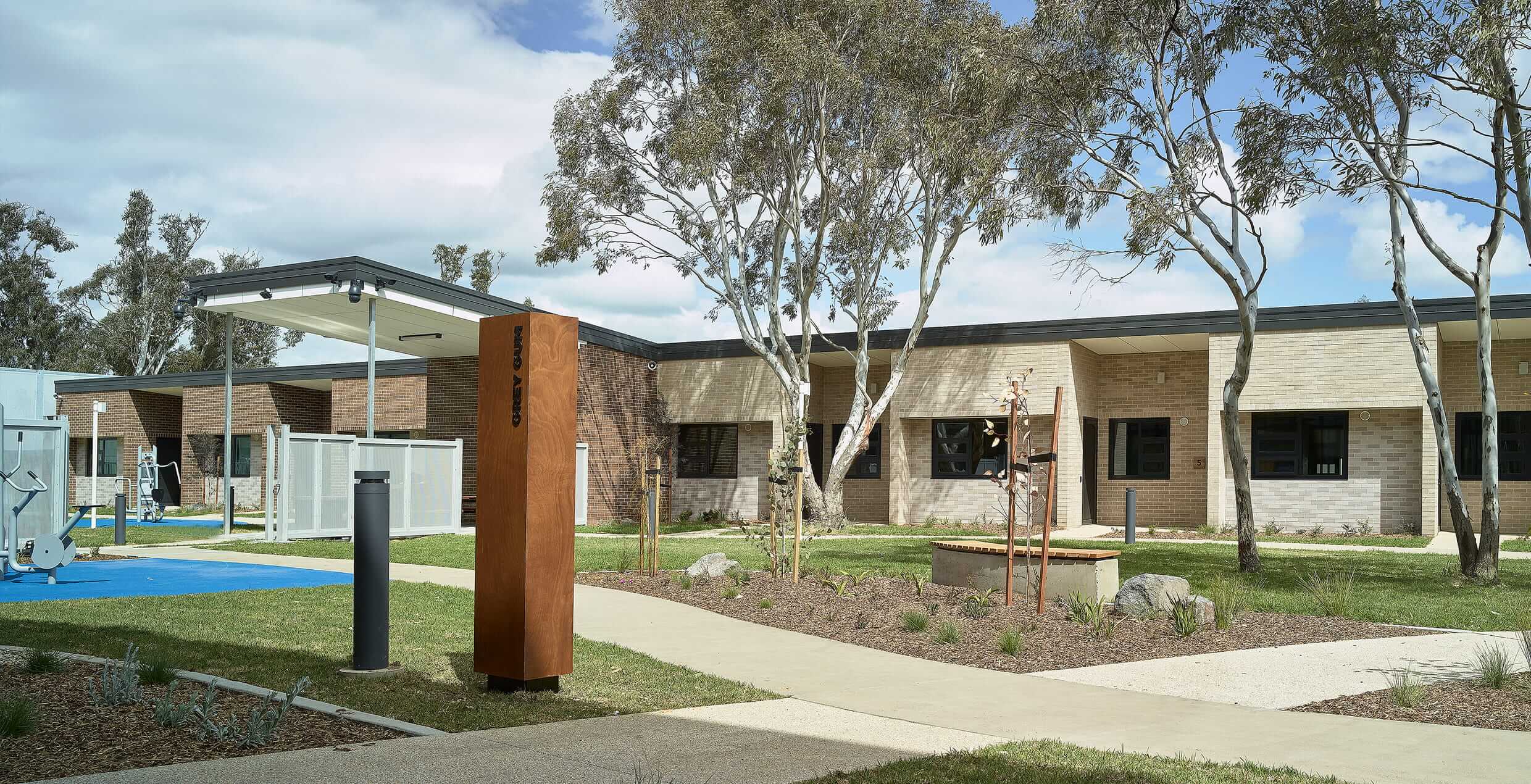
Nature has a profound impact on human rehabilitation and mental health. Yet, bringing green spaces into high-security environments presents a unique set of challenges. Planners, architects, and landscape architects constantly face a difficult question: What should green spaces in prisons be like?
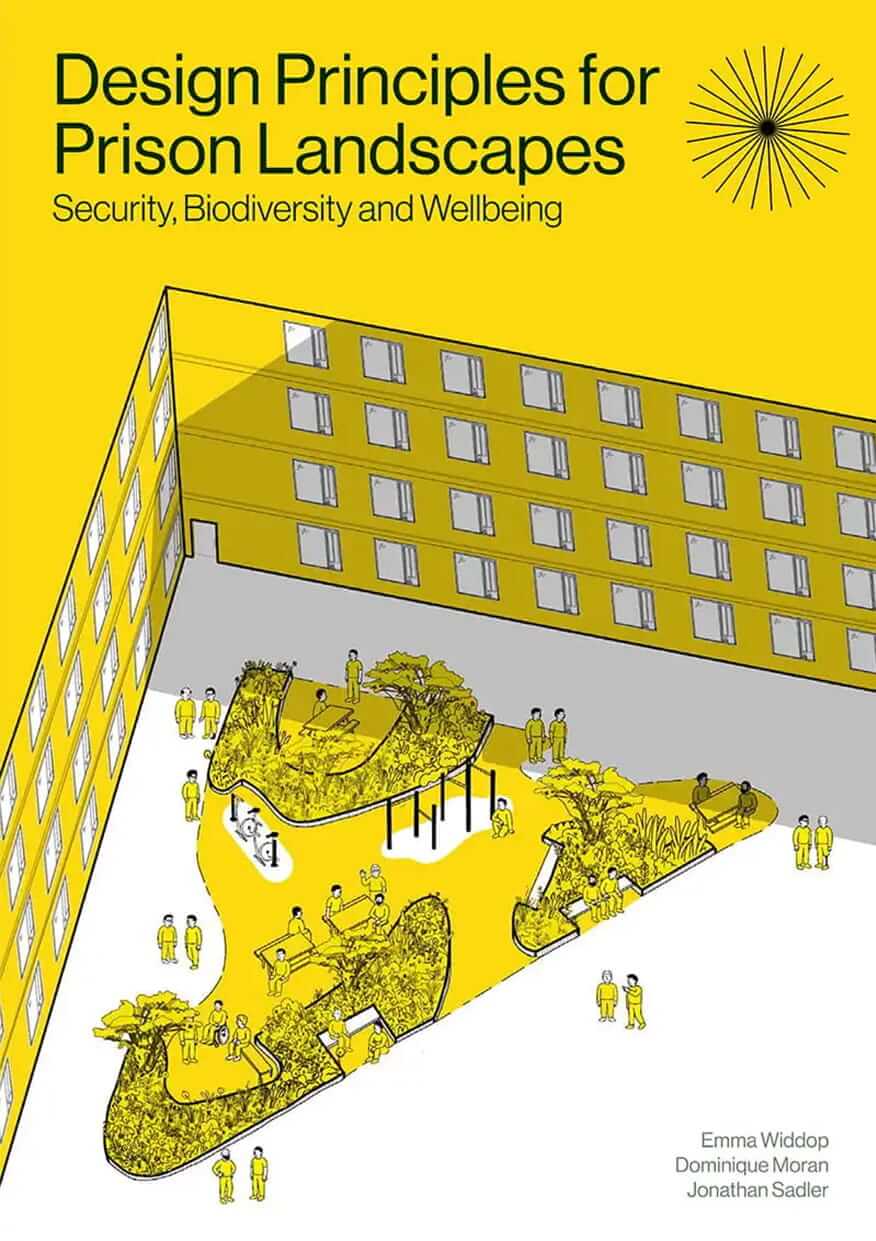
A groundbreaking new publication seeks to answer exactly that. Design Principles for Prison Landscapes: Security, Biodiversity and Wellbeing by Emma Widdop, Dominique Moran, and Jonathan Sadler offers a universal and comprehensive look into the future of correctional facility design. Published by the University of Birmingham, this essential guide bridges the gap between strict security requirements and the human need for nature.
The importance is clear, “New research in has found that in prisons higher percentages of green space are related to lower levels of self-harm and violence (both between prisoners and towards staff), higher levels of self-reported wellbeing amongst prisoners, and lower levels of sickness absence for prison staff (Moran et al., 2021a; Moran et al., 2021b).” (Widdop, E., Moran, D., & Sadler, J., 2025)
In this article, we explore the core themes of this publication and our team’s direct involvement in shaping its insights including a tour of Victorian prison landscapes that helped inform its global perspective.
Here is what you will learn:
- The core philosophy behind the new design principles for prison landscapes
- How we balance security, biodiversity, and wellbeing in correctional design
- Insights from our recent three-day tour of top Victorian prison landscapes
- Where you can access these groundbreaking guidelines for free
Eight Best Practices for Transformative Prison Landscape Design
The Design Principles for Prison Landscapes: Security, Biodiversity and Wellbeing sets out eight evidence-based best practices to guide the creation of correctional landscapes that balance security, wellbeing, and environmental responsibility:
1. Integrate Green Space into Core Prison Strategy
Outdoor environments aren’t an afterthought, they’re fundamental to effective prison infrastructure. Prioritising access to quality green spaces helps reduce self-harm, violence, and staff illness while supporting rehabilitation and dignity for those living and working inside.
2. Maximise Biodiversity for Wellbeing and Resilience
Designing for high biodiversity not only builds ecological value within prison grounds but also magnifies the positive impact on mental health. Biodiverse landscapes strengthen the restorative link between people and nature while supporting climate adaptation strategies, like pollinator habitats and sustainable stormwater management.
3. Use Landscape Design to Enhance Security
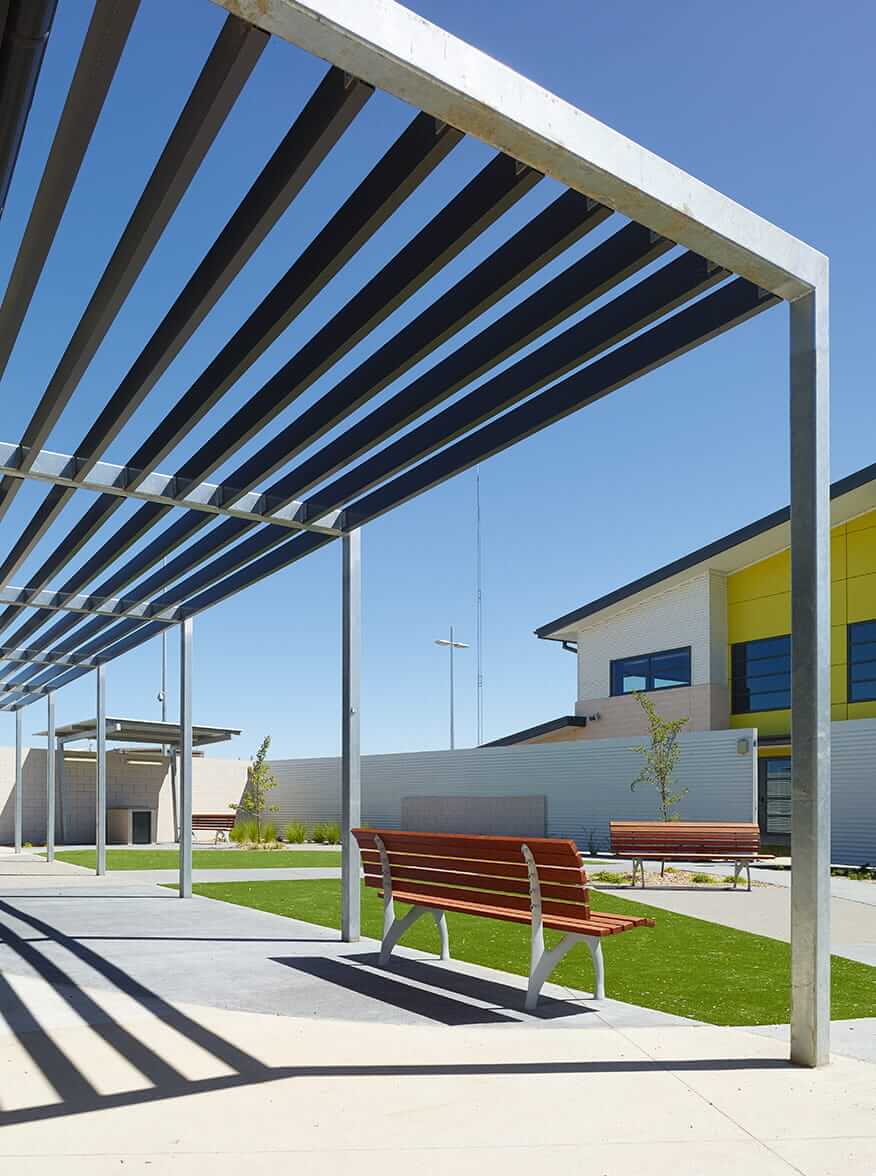
The landscape itself is a vital tool for security, not a liability. Terrain, plant selection, and sightlines should be strategically designed to enable effective surveillance, manage movement, and reduce stress. In addition to supporting a calmer environment, well-planned outdoor areas can deter risks such as drones or escape attempts, without sacrificing a sense of humanity.
4. Prioritise Inclusive, Trauma-Informed Design
Corrections environments must serve individuals from diverse backgrounds, including women, older prisoners, those with physical disabilities, and neurodivergent individuals. Outdoor spaces should be inclusive, accessible, and trauma-aware, supporting emotional regulation and reducing isolation.
5. Embed Rehabilitation and Skills Training in Outdoor Areas
Green spaces should be utilised for practical, structured rehabilitation activities like gardening, horticulture, building, or creative arts. These programs boost self-esteem, teach new skills, and provide pathways to future employment, supporting meaningful rehabilitation and community reintegration post-release.
6. Deliver Cost-Effective, Sustainable Solutions
Sustainable prison landscapes rely on durable, repairable, and low-maintenance materials, such as features built in prison industries, or rainwater harvesting systems. Long-term cost and resource savings are achieved through circular economy principles and empowering those inside to help maintain the environment.
7. Design for Retrofit and Future-Proofing
Greening existing prisons is both attainable and essential, especially for ageing or high-density facilities. Phased retrofits and creative interventions can deliver substantial gains in wellbeing, sustainability, and facility quality, even where space or budgets are limited. This future-proofs correctional landscapes against environmental and societal change.
8. Mandate Early and Ongoing Stakeholder Engagement
True design success comes from co-design with all stakeholders including prison staff, incarcerated individuals, operational teams, and the wider community. Early and ongoing engagement ensures that outdoor areas are relevant, valued, and well maintained, maximising positive outcomes for everyone involved.
These eight principles, grounded in international research and policy alignment, offer a robust framework for anyone seeking to transform prison landscapes into safer, greener spaces that truly support rehabilitation and wellbeing.
Our Key Takeaways: Prioritising Rehabilitation and Security
Historically, many correctional facilities prioritised security above all else. This often resulted in sterile, paved environments stripped of natural elements. However, modern landscape architecture combined with supportive operational models proves that we do not have to sacrifice safety to introduce nature. The publication mirrors our approach to correctional landscape architecture, demonstrating how thoughtful design can improve facility operations while supporting rehabilitation.
Prioritising Mental Health and Wellbeing
Access to green spaces significantly lowers stress and anxiety levels. For individuals within the justice system, environments that include plants, natural light, and fresh air can drastically improve daily life. The publication highlights specific design strategies that create calming environments, support therapeutic programming, and respect the dignity of those interacting with the space.
Championing Biodiversity in Corrections
Integrating biodiversity into prison design does more than just make a space look appealing. Introducing native plant species and managing local ecosystems creates sustainable, resilient facilities. The publication details how designers can implement ecological corridors and drought-resistant planting schemes that require minimal maintenance while maximising environmental benefits.
Maintaining Uncompromised Security
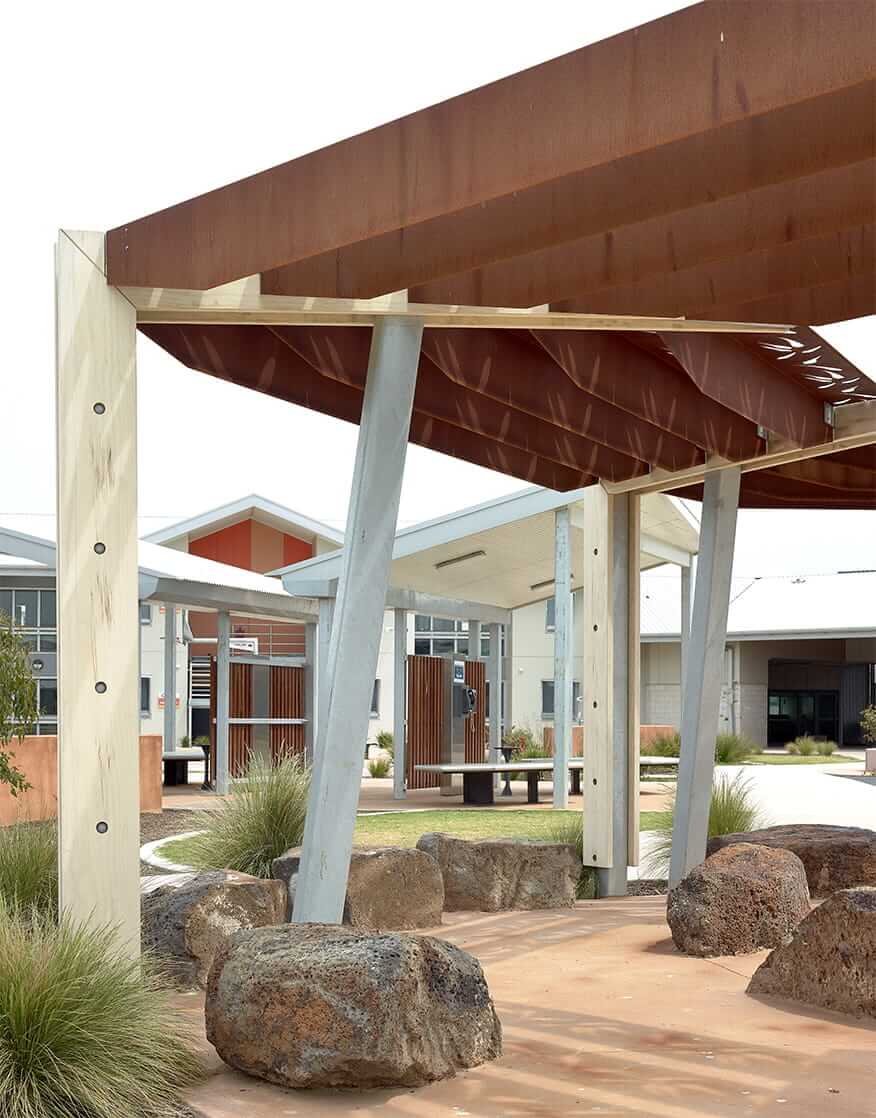
Of course, security remains the foundational pillar of any correctional project. The guidelines emphasise clear sightlines, appropriate plant selection, and strategic zoning. Designers can use vegetation to soften harsh physical boundaries without creating blind spots or compromising the safety of staff and residents.
Our Role on the International Expert Advisory Board
Creating a publication with global relevance requires input from professionals who design these spaces every single day. We are incredibly proud that our Director, Kavan Applegate, was honoured to serve on the International Expert Advisory Board for this project.
Kavan’s extensive experience in crafting therapeutic, secure environments provided practical insights into the realities of correctional landscape architecture. Serving on the board allowed us to collaborate with leading academics and international experts, ensuring the final publication offers highly actionable, real-world solutions for architects, landscape architects, and facility managers.
Exploring Victorian Prison Landscape Architecture
To ensure the publication captured some of the most innovative approaches to correctional design, we took the research out of the academic realm and into the field. Kavan Applegate, alongside our Katrina Duncan, one of our Senior Landscape Architects, led authors Dominique and Emma on an immersive three-day tour, generously supported by Corrections Victoria senior personnel.
The group explored some of the best prison landscape architecture projects across Victoria. Seeing these spaces in active use highlighted the direct impact that well-designed outdoor areas have on facility culture and operations.
During the intensive three-day trip, the team visited a diverse range of facilities, including:
- Dame Phyllis Frost Centre: A facility demonstrating the integration of therapeutic garden spaces within a secure perimeter.
- Ravenhall Correctional Centre: A project renowned for its expansive, purpose-built outdoor environments that support extensive rehabilitation programs.
- Metropolitan Remand Centre: Showcasing efficient, secure, yet heavily landscaped communal areas.
- Hopkins Correctional Centre: Highlighting the transition between built environments and the broader natural landscape.
- Rivergum Residential Treatment Centre: A specialised facility where landscape design plays a crucial role in daily clinical and therapeutic treatments.
- Corella Place: Demonstrating the importance of transitional outdoor spaces in residential treatment settings.
Touring these locations provided the authors with firsthand exposure to the nuances of Australian landscape architecture, as well as the forward-thinking way Corrections Victoria uses landscape as a therapeutic, rehabilitative and educational tool. It showcased how specific plant choices, material selections, and spatial arrangements function, informing the final guidelines presented in the book.
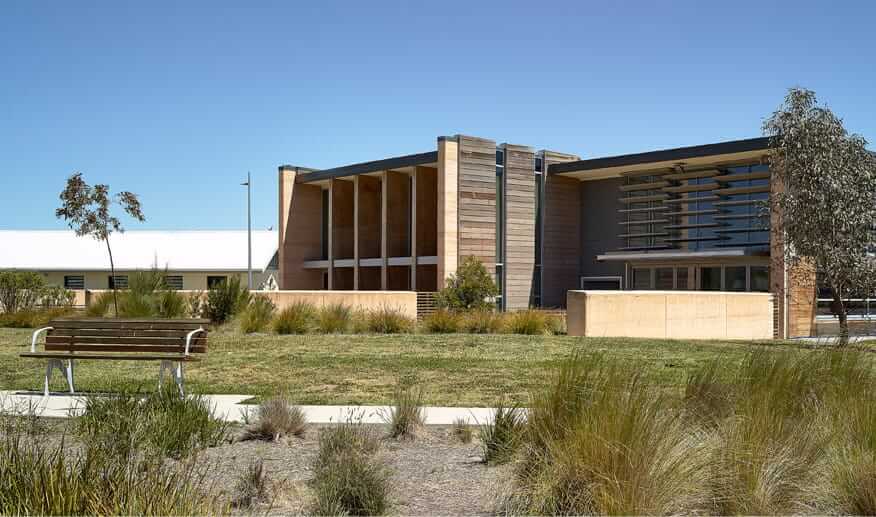
Leading the Way in Correctional Design
Seeing our work contribute to a broader global conversation about rehabilitation and design is deeply rewarding. We are exceptionally proud to have several of our own correctional projects featured as case studies within the publication.
These featured projects highlight our ongoing commitment to pushing the boundaries of what a prison landscape can achieve. By focusing on the delicate balance of security, biodiversity, and wellbeing, we continue to design spaces that foster positive behavioural changes and support the dedicated staff who work within them.
The insights gathered in this publication will undoubtedly shape the future of correctional architecture and landscape architecture. It challenges all of us in the industry to think bigger, design smarter, and remember the profound human element at the centre of our work.
Building on the Design Principles, we are increasingly using the underpinning research to strengthen both design decisions and client conversations—particularly where demonstrating the operational and wellbeing benefits of green space is critical.
While these approaches already align closely with our practice, the evidence base provides a valuable framework to articulate their impact more clearly, supporting more confident adoption by stakeholders and reinforcing the role of landscape as essential, rather than supplementary, to secure facility design.
Download a Copy of the Publication Today
Whether you are a landscape architect, a facility manager, or a policymaker, this publication offers invaluable tools for your next project. We highly encourage you to explore the strategies and case studies detailed in the Design Principles for Prison Landscapes: Security, Biodiversity and Wellbeing by Emma Widdop, Dominique Moran, and Jonathan Sadler.
You can download your copy here www.greenprison.co.uk
References
Widdop, E., Moran, D., & Sadler, J. (2025). Design principles for prison landscapes: Security, biodiversity and wellbeing. University of Birmingham. https://www.greenprison.co.uk
Moran, D., et al. (2021a) Does nature contact in prison improve wellbeing? Mapping land cover to identify the effect of greenspace on self-harm and violence in prisons in England and Wales.
Moran, D., et al.(2021b) Nature contact in the carceral workplace: greenspace and staff sickness absence in prisons in England and Wales.
Photography Credit: Scott Burrows Photography
UP NEXT
